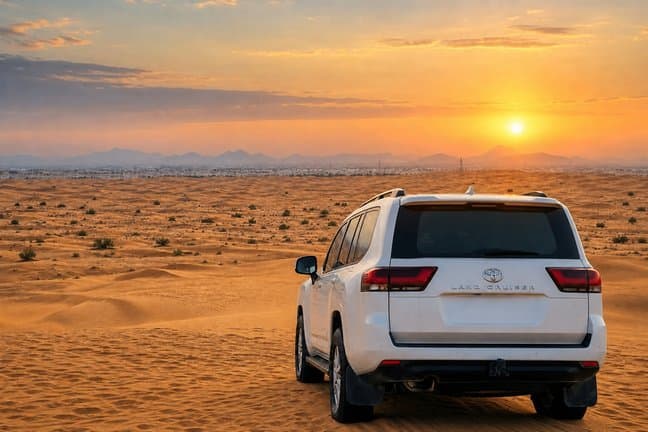
I've run desert safaris through every month of the year in Dubai. July at 2pm? Done it. December evening where everyone's shivering by 8pm? That too. Summer is the season that trips people up the most, so here's what I've learned about actually doing a desert safari in Dubai when it's hot -- and why it's still worth considering.
Can you do a desert safari Dubai in summer?
Short answer: yes. Every safari operator in Dubai runs trips year-round, including through June, July, and August. The desert doesn't close for summer. Our Desert Safari Dubai package operates 365 days a year with air-conditioned Land Cruisers for the drive out to Lahbab.
That said, summer safaris are different from winter ones, and you should know what you're signing up for. The key difference is timing. In winter, afternoon safaris starting at 3pm are the sweet spot. In summer, everything shifts later. Pickup happens around 3:30-4pm, which means you're hitting the dunes closer to 5pm when temperatures start dropping. By the time you're seated at camp for dinner around 7:30-8pm, it's genuinely comfortable -- mid-to-high 30s rather than the 45°C you'd get at noon.
There's actually an upside that most people don't think about: summer safaris have fewer tourists. You'll share the dunes with maybe two or three other vehicles instead of a dozen. The camp feels more relaxed. And the sunset light on the red sand at Lahbab during summer months is something else -- deep oranges and purples that you don't get in winter when the air is hazier.
How hot is it during a desert safari in summer?
Let's be honest about the numbers. Dubai's desert temperatures vary a lot depending on the month and time of day:
- June: Daytime peaks at 38-42°C. Humidity starts climbing. By 6pm it's around 35°C, and by 8pm you're looking at 30-33°C.
- July and August: The hottest stretch. Afternoon highs of 43-48°C aren't unusual. The sand surface itself can hit 60-70°C -- hot enough to burn through thin-soled shoes. But evening temperatures still drop to 32-35°C, which is manageable with shade and water.
- September: Similar to July but humidity is often worse. The heat breaks gradually through the month.
Here's what people get wrong: they picture themselves standing in 48°C heat for six hours. That's not how a summer evening safari works. The actual time you're exposed to peak heat is limited. The drive out to the desert is in an air-conditioned 4x4. Dune bashing lasts about 30-40 minutes, and the vehicle has AC running between stops. Once you're at camp, there's shade, fans, and cold drinks. The hottest window -- arriving and getting settled -- lasts maybe 20-30 minutes.
The biggest surprise for most visitors? That temperature drop after sunset. Even in July, I've watched the camp go from uncomfortably warm to genuinely pleasant within an hour of the sun going down. By 8:30pm, when the live entertainment is in full swing, you're not thinking about heat at all.
Summer desert safari Dubai: what to wear
What you wear makes a bigger difference in summer than any other season. Get this wrong and you'll be miserable; get it right and you'll barely notice the heat.
- Light-coloured, loose cotton or linen. Dark colours absorb heat. Tight synthetics trap it. A loose white or cream cotton shirt reflects sunlight and lets air circulate.
- Cover your shoulders and arms. I know it sounds backwards -- cover up when it's hot? But exposed skin burns fast with UV reflecting off the sand from below. A light long-sleeve shirt actually keeps you cooler than a tank top because it blocks direct sun.
- Sunglasses with good coverage. Wraparound styles work best. Sand glare is harsh, especially during dune bashing on the red dunes.
- A light scarf or buff. Doubles as sun protection for your neck and a sand shield during bashing. Most Emirati men wear a ghutra for exactly this reason.
- Closed-toe shoes. Non-negotiable in summer. The sand surface reaches temperatures that will blister bare feet. Trainers or lightweight hiking shoes are ideal. Leave the flip-flops at the hotel.
For a complete packing checklist that covers all seasons, check our detailed guide on what to wear during a desert safari.
Tips to stay cool during summer desert safari Dubai
This is the section that actually matters. I've seen hundreds of summer safari guests, and the ones who have a good time all do the same things:
Book an evening safari, not a morning one (usually)
In summer, the standard evening safari is the safest bet for most people. You get the benefit of cooling temperatures as the evening progresses, and you're doing the most active parts -- dune bashing, sandboarding -- in the late afternoon rather than under the midday sun.
Start hydrating before you leave the hotel
Here's the thing about desert dehydration -- by the time you feel thirsty, you're already behind. The dry air pulls moisture from your body faster than you'd expect, and you don't notice because your sweat evaporates instantly.
Drink 500ml of water in the hour before pickup. Don't wait until you're in the desert. During activities, take small sips every 15-20 minutes rather than chugging large amounts. Large gulps before dune bashing can actually make nausea worse.
Bring electrolyte packets or tablets. Plain water alone won't replace what you're losing through sweat. Our safari packages include water and soft drinks at camp, but I'd recommend bringing your own insulated bottle for the 45-minute drive out. Regular plastic bottles turn lukewarm in 20 minutes in this heat.
Sunscreen strategy
Regular city sunscreen isn't enough here. The sand reflects UV rays back at you from below, so you're getting hit from two directions.
- SPF 50+ sunscreen applied 30 minutes before you leave the hotel. Reapply after dune bashing because you'll sweat it off.
- Don't forget your lips. SPF lip balm gets forgotten constantly, and cracked, sunburned lips are miserable.
- Backs of hands and tops of ears. Two spots that catch people out every time.
Skip the alcohol until after dinner
I know the camp has a bar, but even one beer in 40°C heat hits differently than it does at your hotel pool. Alcohol speeds up dehydration, and you won't feel the effects until it's too late. Stick to water, juice, and soft drinks until temperatures drop after sunset, then enjoy a drink with dinner.
Gear that's actually worth bringing
Skip the portable fan -- sand gets in the motor within minutes. Here's what actually helps:
- Cooling towel: Soak it, wring it out, drape it around your neck. Works for about 30 minutes per soak, and you can re-wet it at camp.
- Insulated water bottle: Already mentioned, but it's worth repeating. Cold water in 45°C heat is a game-changer.
- Facial mist spray: Sounds ridiculous, feels amazing when you're sitting in the shade waiting for the sun to dip.
Is morning safari recommended in summer?
This might surprise you, but yes -- morning safaris are actually a smart choice during summer months, and they're underrated.
Morning safaris start with pickup around 6-7am. You're in the desert by 7:30am, when temperatures are still in the low-to-mid 30s. That's not cold by any stretch, but it's a world apart from the 45°C you'd face at 2pm. The air feels different in the early morning too -- there's often a light breeze coming off the coast that disappears by mid-morning.
The trade-off is obvious: you don't get the sunset, the BBQ dinner, or the evening entertainment. Morning safaris focus on the active stuff -- dune bashing, sandboarding, camel riding, quad biking -- and wrap up by 10-10:30am before the real heat kicks in. You're back at your hotel by noon with the entire afternoon free.
For families with young kids, this can be the better option in summer. Children feel heat more intensely than adults, and a morning safari means they're not up late at camp either. The activities are the same ones kids love -- the dune bashing, the camel ride -- just without the late-night dinner component.
If you're someone who wants the full evening experience with dinner and shows, stick with the evening safari. But if you're mainly after the adventure and dune time, and you're visiting in July or August, a morning safari lets you enjoy the desert at its most bearable temperature. For the complete breakdown, read our guide on morning desert safari Dubai.
Summer safari activities: what's still available?
Everything. That's the straightforward answer. No activities get cancelled just because it's summer. But the experience of each one changes a bit, so here's the honest rundown:
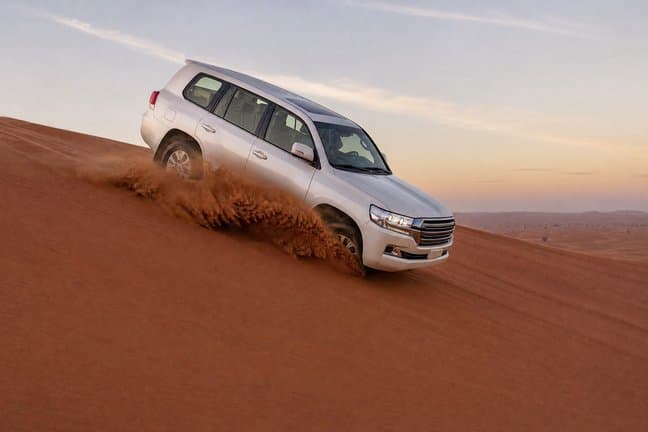
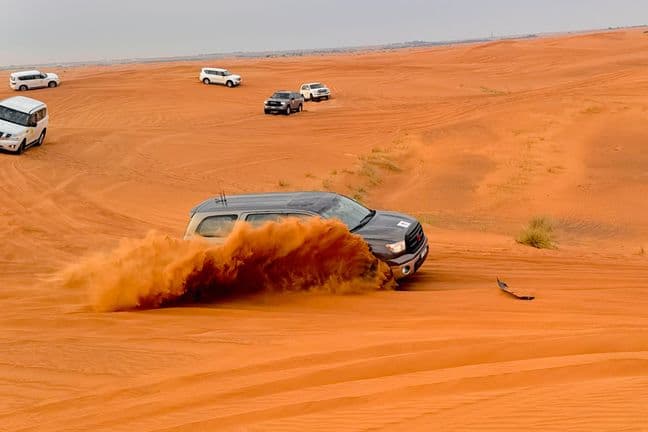
Dune bashing -- This is the highlight for most people, and summer doesn't change it much. You're inside an air-conditioned Land Cruiser with the windows up. The driver handles the 4x4 across the dunes for 30-40 minutes. You step out for photo stops at the top of dunes, but those breaks are brief. The sand is stunning in summer light. Read more in our guide to dune bashing in Dubai.
Camel riding -- A shorter experience during summer, usually 10-15 minutes. The camels are well-adapted to the heat (they're literally desert animals), but the handlers keep rides brief during peak temperatures out of caution. You'll ride around the camp perimeter, which is enough for photos and the experience. Our camel riding guide covers what to expect.
Sandboarding -- This one's tough in summer, I'll be honest. You're standing on an exposed dune with no shade, hiking up after each run. The sand is scorching underfoot even through shoes. It's still available, and some people love it, but you'll want to keep sessions short. Morning safaris are better for sandboarding in summer if it's a priority for you.
Quad biking -- The Desert Safari with Quad Bike combo runs the quad section in the late afternoon, so you're riding in golden light with some airflow from the speed. The helmets can feel stuffy in the heat, but the riding itself is actually fine -- you generate your own breeze.
BBQ dinner and entertainment -- Completely unaffected by summer. By the time dinner is served around 8pm, temperatures have dropped to the low 30s. The Tanoura dance, fire show, and belly dance all happen after sunset when it's comfortable. This is the part of the evening safari that works just as well in August as it does in January.
Henna painting, shisha, photography in traditional dress -- All available, all happen in shaded areas of the camp. No heat concerns here.
At camp: where to find shade and cool down
Once you arrive at the desert camp, heat management gets a lot easier. Here's what our camps provide:
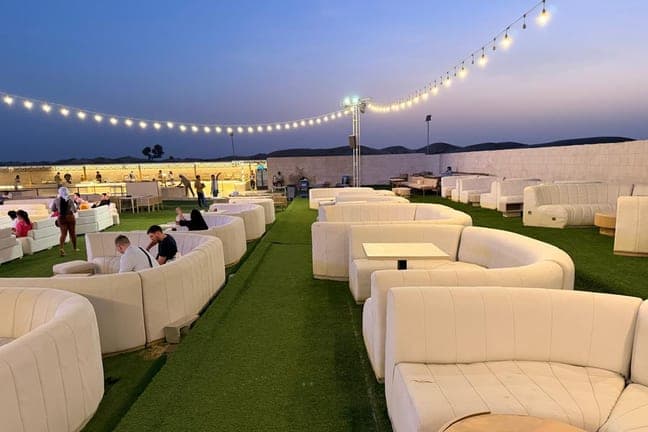
- Open-air seating areas with overhead canopies and fans that circulate air
- Cushioned Bedouin-style tent areas that stay surprisingly cool -- the traditional designs are built for desert heat
- Unlimited water, fresh juice, and soft drinks from the moment you arrive
- Air-conditioned restrooms (genuinely a relief after time in the open)
My advice: grab a seat near the fans as soon as you arrive at camp. The shaded spots with the best airflow go fast, especially during summer months. Spend the first 15-20 minutes cooling down with cold water before jumping into activities.
If you're visiting with family, kids feel the heat more than adults do, and they don't always tell you when they're struggling. Keep them in the shade between activities and make sure they're drinking water regularly. Our family desert safari guide has age-specific tips for keeping everyone comfortable.
The Premium Dubai Desert Safari runs evening departures year-round and includes a VIP seating area with better shade coverage and more attentive service -- worth considering if you're visiting in peak summer and want extra comfort.
Recognising heat exhaustion (and what to do)
This matters more than most travel guides will tell you. I've seen guests push through headaches and dizziness because they didn't want to miss activities. Don't do that. No photo op is worth a medical emergency.
Warning signs to watch for:
- Headache that won't go away after drinking water
- Dizziness or feeling faint, especially when you stand up quickly
- Nausea or muscle cramps in your legs or arms
- Skin that feels hot and dry -- if you've stopped sweating in 40°C heat, that's a red flag
- Confusion or irritability (harder to notice in yourself, but your travel partner might spot it)
If any of this happens: stop whatever you're doing, get to shade, drink water with electrolytes, and tell your guide immediately. Every one of our drivers carries a first-aid kit and extra water. The camps have shaded rest areas where you can sit out an activity and rejoin later. There's no shame in taking a break -- experienced desert travellers do it all the time. For more detail on staying safe, read our desert safari safety tips.
Pick your timing based on the season
For the complete month-by-month breakdown of when to visit, we've got a separate post on the best time to visit Dubai for a desert safari. But here's the quick version for summer planning:
- November to March (peak season): Daytime hits 25-32°C. Evenings drop to 15-20°C. You'll want a light jacket after sunset -- this catches everyone off guard.
- April and October (shoulder months): Around 35-38°C during the day. Either morning or evening safaris work. Still manageable with proper hydration.
- May to September (summer): 42-48°C peak. Evening safaris are the default. Morning safaris are the alternative. Plan around the heat, don't fight it.
If your Dubai trip is already booked for July or August and you're wondering whether to bother with a desert safari -- do it. You just need to be smart about timing and preparation. Summer safari guests who follow the tips in this guide consistently tell us they had a great time and are glad they didn't skip it.
FAQs: summer desert safari Dubai
Is it too hot for desert safari in Dubai in summer?
Not if you book the right time slot. Evening safaris start pickup around 3:30-4pm, which means you hit the desert as temperatures begin dropping. The hottest part is the 30-40 minutes of dune bashing, and you're in an air-conditioned 4x4 for that. By dinner time around 8pm, temperatures settle into the low 30s, which is comfortable with shade and cold drinks. We wouldn't recommend a midday safari in July, but evening and morning options work well.
What month is best to avoid heat in Dubai?
November through March gives you the most comfortable temperatures, with evenings cool enough to need a light layer. December and January are the coolest months, with daytime highs around 25°C. But if you're visiting in summer, don't skip the safari entirely -- evening departures are specifically designed around the heat, and you'll get smaller crowds and better sunset photos as a bonus.
Does Dubai desert safari run in July and August?
Yes, all desert safari packages operate year-round, including through July and August. We don't cancel for heat. The schedule shifts to later departure times in summer -- typically 3:30-4pm pickup instead of the 2:30-3pm winter timing -- so guests spend more of the safari in cooler evening hours. Every vehicle is air-conditioned, and camps are set up with shade, fans, and unlimited cold drinks.
The bottom line
Summer desert safaris in Dubai aren't for everyone, but they're better than most people expect. The heat is real -- I'm not going to pretend 45°C is comfortable -- but the way evening safaris are structured means your actual exposure to peak temperatures is limited to short windows. Hydrate before you go, wear proper sun protection, book the right time slot for the season, and don't try to power through if you're feeling off. Thousands of tourists do desert safaris every week in Dubai, including through the hottest months. It's about preparation, not endurance.