After guiding hundreds of tourists through Dubai, I've seen people waste time at overrated spots while missing the real gems. Here's my honest take on the 5 landmarks that are actually worth your time on a Dubai city tour — and exactly when to visit each one.
What landmarks are included in a Dubai city tour? Most guided Dubai city tours cover five core landmarks: the Burj Khalifa, Dubai Mall, Palm Jumeirah, Dubai Creek (with the Gold and Spice Souks), and Dubai Marina. A full-day tour fits all five with hotel pickup; a half-day usually covers three or four. Below I break down each one, plus three lesser-known spots most tourists skip.
1. Burj Khalifa: Skip the Crowds, Here's When to Go
Yes, it's touristy. Yes, you should still go. At 828 meters, the Burj Khalifa isn't just the world's tallest building — it's got observation decks that'll make your Instagram jealous.
Pro tip: Book the 148th floor "At the Top SKY" for sunset (around 5:30 PM in winter, 7 PM in summer). You'll catch the city lighting up while avoiding the midday crowds. Tickets run AED 379 for prime time — worth every dirham.
If you're on a budget, the 124th/125th floor combo is AED 169 and honestly gives you 90% of the same views.
Book ahead: Same-day tickets cost more and often sell out on weekends. Buy at least 3 days in advance through the official Burj Khalifa website. The line for walk-in tickets can stretch 45 minutes during peak season (December-January).
2. Dubai Mall: More Than Shopping (Seriously)
With 1,200+ stores, Dubai Mall sounds like just another shopping center. It's not. Even if you hate shopping, there's:
- Dubai Aquarium: 33,000 aquatic animals, including sharks you can dive with (AED 295)
- Ice Rink: Olympic-sized skating in the middle of the desert (AED 80)
- Dubai Fountain: Free 5-minute show every 30 mins after 6 PM — grab a spot on the waterfront promenade
- VR Park: Virtual reality zone with rides and experiences (AED 15-50 per attraction)
Combine this with Burj Khalifa since they're connected — perfect morning or evening combo. One thing nobody tells you: the mall is so big that Google Maps has an indoor navigation mode for it. Use it, or you'll spend 20 minutes looking for the exit.
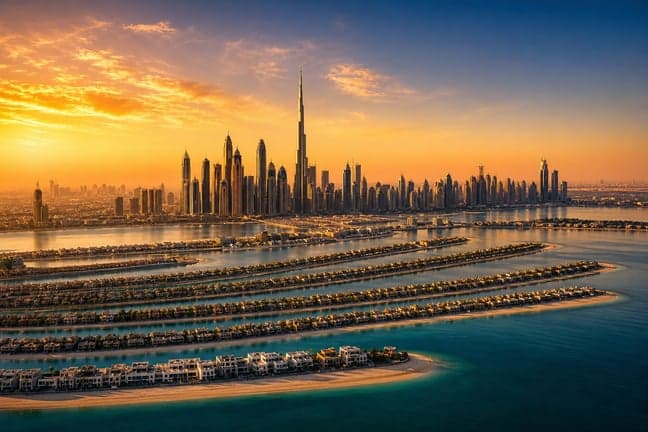
3. Palm Jumeirah: The View You've Seen on Instagram
That iconic palm-shaped island? It's even more impressive in person. Here's what most tourists miss:
Take the Palm Monorail (AED 30 return) for aerial views of the entire fronds. Then head to The Pointe at the crescent's tip for dinner with Atlantis Hotel as your backdrop.
Want to see it from above? A helicopter tour (AED 650+) gives you the full aerial perspective, but the monorail honestly covers most of the photo ops you'd want. For more adventure after the city tour, many visitors combine this with a premium desert safari — sunset over the dunes hits different after a day in the urban jungle.
4. Dubai Creek: Where Old Dubai Still Lives
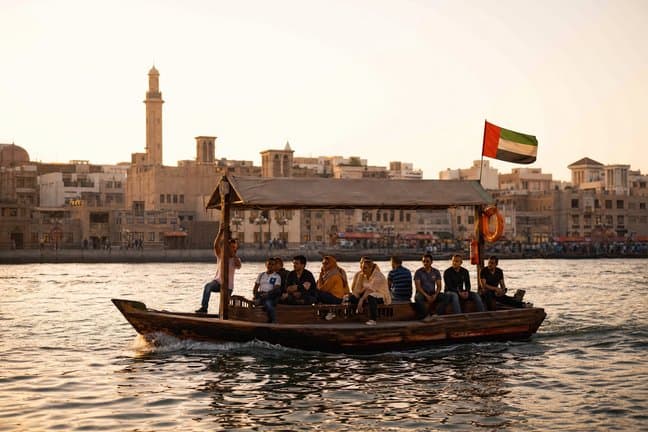
This is where I take friends who say Dubai has "no culture." The Creek was the heart of Dubai's pearl diving and trading industry before oil money arrived.
What to do:
- Abra ride: Just AED 1 for a traditional wooden boat crossing (yes, one dirham)
- Gold Souk: 300+ shops — prices are negotiable, start at 40% below asking
- Spice Souk: Saffron, frankincense, dried fruits — smells incredible
- Al Fahidi Historical District: Wind-tower architecture and quiet cafes
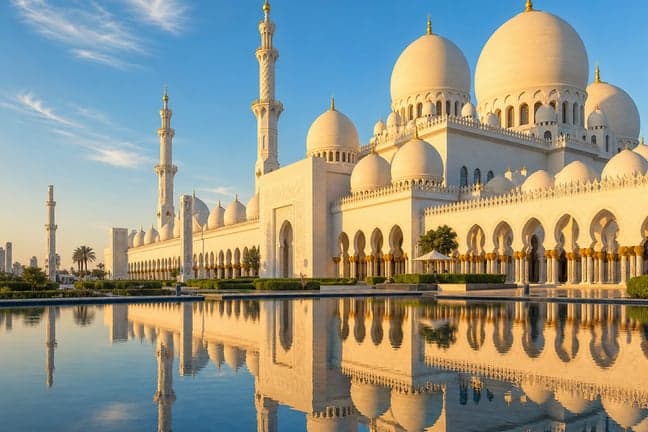
If you're into the cultural side of Dubai, our Old Dubai to Modern Dubai itinerary goes deeper into this area with specific walking routes and timing. For a full day of culture, an Abu Dhabi city tour pairs well with this — Sheikh Zayed Grand Mosque alone is worth the trip.
5. Dubai Marina: Evening Magic
Dubai Marina is when you realize this city knows how to do nightlife views. The 3km promenade lined with skyscrapers, yachts, and waterfront restaurants comes alive after sunset.
Best experience: Dhow dinner cruise (around AED 200) — cheesy? A little. But floating past illuminated towers while eating biryani is genuinely romantic.
Skip the overpriced marina restaurants; grab shawarma from a food truck and walk instead. If you've got the energy, walk from Marina to JBR Beach (about 15 minutes) — the beach bars and street performers make it a good extension to the evening.
Bonus: 3 Spots Most Tourists Miss
These didn't make the main five, but they're worth squeezing in if you have time:
- Dubai Frame: AED 50 entry. It's a 150-meter picture frame that gives you views of old and new Dubai simultaneously. Less crowded than Burj Khalifa and honestly better for photos.
- Ras Al Khor Wildlife Sanctuary: Free entry. Flamingos in the middle of the city. Sounds fake, but there are 500+ of them between November and April.
- Alserkal Avenue: Dubai's art district in Al Quoz. Free galleries, local coffee shops, and zero tourists.
How much does a Dubai city tour cost?
It depends on whether you go DIY or book a guided tour. Here's a rough budget breakdown:
| Option | Cost (per person) | What you get |
|---|---|---|
| DIY — metro + taxis | AED 200–400 | Transport + entry fees, no guide |
| Group city tour | AED 150–250 | Hotel pickup, guide, 4-5 landmarks, AC vehicle |
| Private city tour | AED 400–800 | Private car + guide, flexible itinerary, full day |
Entry fees add up: Burj Khalifa (AED 169-379), Dubai Aquarium (AED 295), Dubai Frame (AED 50). A guided city tour package often includes transport and some entry fees, which can save you money compared to doing it all separately.
How to plan a 1-day Dubai city tour itinerary
If you only have one day, here's what I'd recommend:
Morning (8 AM – 12 PM): Start at Dubai Creek — take the abra, walk through Gold and Spice Souks, explore Al Fahidi. The souks open early and aren't crowded before 10 AM. Grab Arabic breakfast at a local cafe in the area.
Afternoon (12 PM – 4 PM): Dubai Mall and Burj Khalifa. Eat lunch at the mall (hundreds of options, all budgets), then do Burj Khalifa in the early afternoon when queues are shortest. Book the 2 PM slot for the observation deck.
Late afternoon (4 PM – 6 PM): Palm Jumeirah — monorail ride and photos at The Pointe.
Evening (6 PM onwards): Dubai Marina Walk. Catch the Dubai Fountain show at 6 PM on the way, then head to the Marina for dinner on the promenade.
This covers all 5 top spots in a single day without feeling rushed. If you're combining with a desert safari, do the city tour one day and the safari the next.
Planning Your Dubai City Tour: Quick Tips
Based on Dubai's weather patterns, here's my honest advice:
- Best months: November to March (25-30°C, actually pleasant)
- Avoid: July-August unless you love 45°C heat
- Tour timing: Full-day private tours cover all 5 landmarks with hotel pickup
- Dress code: Modest clothing for Creek/souks (covered shoulders and knees). Malls are air-conditioned, so bring a light layer
- Getting around: The metro's Red Line connects Dubai Marina to Burj Khalifa (about 25 minutes, AED 5). For the Creek, you'll need a taxi or the Green Line
Traveling with kids? Most attractions are family-friendly, but younger children may get bored at the souks — save Creek for teens and adults.
Combine City + Desert for the Full Dubai Experience
Most visitors do the city tour on day one and a desert safari on day two — it's a good combo because you see both sides of Dubai. The city gives you the modern skyline and souks, while the desert gives you dunes, BBQ dinner, and live shows under the stars. Two completely different experiences in back-to-back days.
Book a private city tour if you want a local guide who knows the shortcuts and can adjust the route based on traffic. Or use this blog as your DIY cheat sheet — either way, plan smart and you'll cover everything in a single day.
Money-saving tips
Dubai isn't cheap, but you don't have to overspend. A few things I tell every guest:
- Get a Nol card — the metro is AED 5-8 per ride, much cheaper than taxis (AED 40-60 between landmarks). The Red Line covers Dubai Marina, Mall of the Emirates, and Burj Khalifa/Dubai Mall stations.
- Skip the Burj Khalifa if you're on a tight budget — Dubai Frame (AED 50) gives you similar views for a fraction of the price. It's also less crowded and the photos are arguably better.
- Eat at the food courts — Dubai Mall's food court has meals from AED 25-40. The waterfront restaurants charge AED 100-200 for the same food with a view.
- Book your city tour package in advance — guided tours include transport, which often works out cheaper than individual taxis between 5 landmarks.
- Dubai Fountain is free — shows run every 30 minutes from 6 PM. Don't pay for a boat ride to watch it up close — the promenade view is just as good.
Getting around Dubai: transport options
The Dubai Metro is your best friend. The Red Line runs from Jebel Ali (near Dubai Marina) through Mall of the Emirates and Burj Khalifa station, all the way to Dubai Creek. Trains run every 3-5 minutes during peak hours and every 8-10 minutes off-peak. A Gold Class upgrade (AED 12 per ride) gets you a less crowded carriage with guaranteed seats.
For areas the metro doesn't cover — like Palm Jumeirah, JBR Beach, or Al Fahidi — taxis are metered and affordable. A typical cross-city ride runs AED 30-50. Uber and Careem both work in Dubai and are usually a few dirhams cheaper than street taxis.
The Dubai Tram connects Dubai Marina to JBR and Palm Jumeirah Monorail station. If you're staying in the Marina area, the tram + monorail combo covers a lot of ground without needing a taxi.
Shared, private, or hop-on-hop-off: which tour format fits you
The five landmarks above stay the same whether you drive yourself or book a guide. What changes is how you move between them, and that comes down to format. Dubai city tours come in three flavours, and each suits a different kind of traveller.
A shared group tour puts you on a minibus with eight to fifteen other people. It's the cheapest way to see the headline stops, but you're on the group's clock -- you might get ten minutes at the Gold Souk when you'd happily spend forty-five. A private tour gives you your own vehicle and guide, so the pace is yours: linger at Dubai Creek, cut Palm Jumeirah short if the kids are flagging, or reshuffle the order when traffic backs up. A hop-on-hop-off bus works best if you're in town for several days and want to wander at your own speed without committing to a fixed itinerary.
If you'd rather not juggle taxis and the metro between five spread-out landmarks, a private Dubai city tour covers all of them with hotel pickup and a guide who can reroute on the fly.
Which upgrades are actually worth paying for
I've run both the budget and the premium versions of these tours for years, so here's my honest read on the common upgrades:
- Private vehicle -- the one I recommend most. On a shared bus, one bathroom break holds up everyone. Your own car means the day bends around you.
- Skip-the-line at Burj Khalifa -- genuinely useful from November to March, when queues can pass 45 minutes. In summer the lines are short anyway, so it matters far less.
- Level 148 versus Level 124/125 -- the higher deck is nice, but not double-the-price nice. The lower levels already give you the Palm, the World Islands, and the whole sprawl. I'd put the difference toward a desert safari instead.
- Premium dining -- worth it. Standard tours often leave you to fend for yourself in a food court; a proper sit-down lunch saves the mid-tour scramble for somewhere decent.
- Personal guide -- if you're curious how Dubai went from a pearl-diving creek town to this in about fifty years, a good guide is the difference between a photo stop and an actual story.
Go standard if you're solo or a couple, travelling in summer when crowds are thin, or you've done Dubai before and know exactly what you want to see. Upgrade to private for a honeymoon or milestone trip, when you're travelling with young kids or older relatives, or during peak season when skip-the-line and a private car buy back real time.
Booking smart: timing, traffic, and better photos
Book two or three days ahead
Walk-in bookings work, but here's what happens in practice: the best guides are already taken and you get whoever's free. In peak season (December to February), private tours can sell out a week out. Book online two to three days ahead to lock in your pickup time and a confirmed guide -- and book direct rather than through the hotel concierge, who typically adds a 20 to 30 percent markup for the same tour.
Plan the route around the traffic
Dubai traffic is real. Sheikh Zayed Road at 8 AM or 5 PM is a car park. A day that starts in Downtown, moves to Old Dubai, then finishes at Dubai Marina flows with the traffic instead of fighting it. If Palm Jumeirah is on your list, do it around midday when the monorail approach isn't jammed, and save the Al Quoz galleries for a weekday when that area empties out.
Get the shot everyone else misses
Nearly every visitor takes the same Burj Khalifa photo from the fountain plaza. Walk over to the Souk Al Bahar bridge instead and you'll catch the tower mirrored in the water with far fewer people in frame. Golden hour lands around 5:30 PM in winter and 6:30 PM in summer -- that's when the Dubai Frame, the Marina skyline, and the Burj Al Arab look their best, so line up your camera stops for late afternoon.
Frequently asked questions
What landmarks are included in a Dubai city tour?
A standard Dubai city tour includes five landmarks: Burj Khalifa, Dubai Mall (with the aquarium and fountain), Palm Jumeirah, Dubai Creek with the Gold and Spice Souks, and Dubai Marina. Full-day tours fit all five with hotel pickup; half-day tours usually cover three or four. Some itineraries add the Dubai Frame or the Jumeirah Mosque depending on the operator.
How long does a Dubai city tour take?
A half-day tour covers 3-4 landmarks in about 4-5 hours. A full-day tour covers all 5+ spots and takes 8-10 hours including lunch. If you're doing it yourself, plan for a full day — transport between landmarks takes 15-30 minutes each.
Is a guided Dubai city tour worth it?
If you have limited time, yes. A guide knows the best times to visit each landmark, handles transport, and can skip tourist traps. If you have 2-3 days in Dubai, you can DIY at your own pace using this blog as your guide.
What's the best time of day for a Dubai city tour with kids?
Start around 9 AM and wrap the outdoor stops before the midday heat. Mornings at Dubai Creek and Dubai Mall work well for kids, then save air-conditioned attractions like the aquarium for the early afternoon. Aim to catch the free Dubai Fountain show at 6 PM as an easy crowd-pleasing finish before the little ones tire out.
Can I combine a city tour and desert safari in one day?
Technically yes, but I wouldn't recommend it. A morning city tour plus an evening safari makes for an exhausting 14-hour day. Better to split them over two days — do the city tour first, then the desert safari the next day. You'll enjoy both more when you're not worn out.
What's the best time of year for a Dubai city tour?
November through March. Temperatures are 20-30°C, which makes walking between outdoor landmarks comfortable. In summer (June-August), you'll want to stick to air-conditioned spots and schedule outdoor visits for early morning or after sunset.
Is Dubai safe for tourists?
Yes. Dubai is one of the safest cities in the world for tourists. Violent crime is extremely rare, and pickpocketing is uncommon compared to European cities. The biggest "danger" is dehydration in summer — carry water. Emergency number is 999 for police, 998 for ambulance.
Is a private Dubai city tour worth the extra cost?
For families, honeymooners, or anyone short on time, usually yes. A private tour means door-to-door pickup, a flexible pace, and a guide who can rearrange stops around traffic or a tired toddler. If you're solo, travelling in the quiet summer months, or happy navigating the metro yourself, a shared group tour covers the same landmarks for less. Our private Dubai city tour runs a full day with your own guide and vehicle if you decide the flexibility is worth it.
Can elderly travelers or wheelchair users do a Dubai city tour?
Yes, and a private tour makes it much easier. Dubai Mall and Burj Khalifa both have lifts and step-free access, but the Gold Souk and Al Fahidi have narrow, uneven lanes. On a private tour you can skip the stair-heavy stops, rest in the air-conditioned vehicle while the rest of your group explores on foot, and set a slower pace. Mention any mobility needs when you book so the route can be adjusted.
Not all of these fit in a half day
The list above assumes the full eight hours. On the four-hour half day you get Al Fahidi, the Creek abra and the souks properly, plus a drive past the Burj Khalifa — but Jumeirah, Palm Jumeirah, Dubai Marina and the Dubai Frame are out of reach in that time.
That trade is deliberate: the half day exists so you can spend the evening in the desert instead. If that's the plan, the city tour and safari combo books both halves at once.