I've been guiding desert tours for eight years, and I always recommend the morning safari to visitors who want the cultural experience without the crowds. Evening safaris are popular for entertainment and dinner, but mornings offer something different: cooler temperatures, better light for photography, and a more authentic connection to Bedouin heritage.
Morning vs Evening Safari: Why Timing Matters
Before choosing, understand what each offers:
| Factor | Morning Safari (8AM-12PM) | Evening Safari (3PM-9PM) |
|---|---|---|
| Temperature | 22-28°C (comfortable) | 35-42°C at start (hot) |
| Crowds | Smaller groups (15-25 people) | Larger groups (50+ people) |
| Photography | Golden hour light, clear skies | Sunset colors, but hazy |
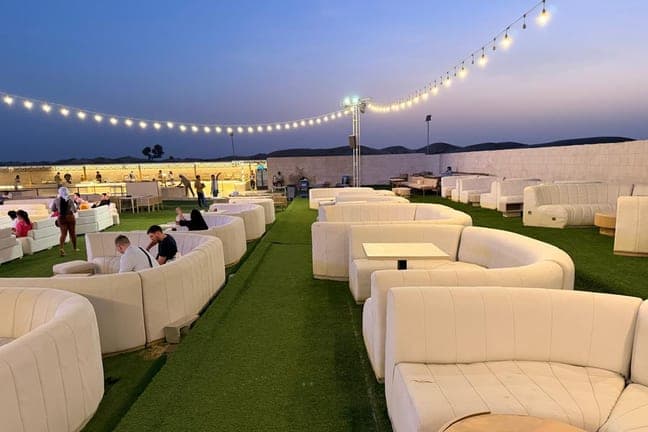
| Meal Included | Light breakfast, Arabic coffee | Full BBQ dinner buffet |
| Entertainment | Cultural demos (falconry, henna) | Stage shows (Tanoura, belly dance) |
| Best For | Families with kids, photographers, culture-seekers | Groups, party atmosphere, first-timers |
For a detailed comparison of safari options, see our best time to visit Dubai desert safari guide. If you're deciding between standard and premium packages, we've broken that down separately.

Cultural Experiences on a Morning Desert Safari in Dubai
Morning safaris focus on interactive cultural activities rather than staged entertainment. Here's what you'll experience:
1. Falconry Demonstration
Falcons are the national bird of the UAE and central to Emirati heritage. During morning safaris, a trained falconer introduces you to these magnificent birds. You'll learn about their importance in Bedouin hunting traditions and can hold a falcon on your gloved arm for photos, which is a paid extra at the camp. This activity isn't available on most evening safaris -- it requires daylight.
2. Arabic Coffee Ceremony (Gahwa)
A Bedouin camp visit includes the traditional coffee ceremony. Gahwa is made from lightly roasted beans with cardamom and served in small cups (finjan). Cultural etiquette: accept with your right hand, and it's polite to drink at least three cups before shaking your cup to signal you've had enough. The host will also offer dates -- a gesture of hospitality that dates back centuries.

3. Camel Interactions
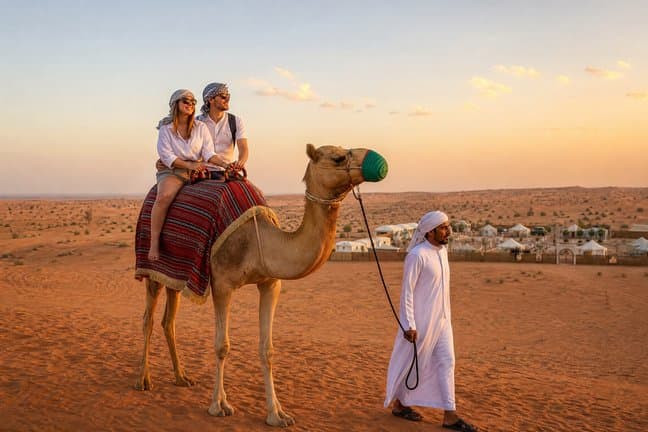
Unlike the quick photo-op on evening tours, morning safaris often include longer camel experiences. You'll walk with the camels, learn their names from the handlers, and understand why they were called "ships of the desert." The cooler temperatures mean the camels are more relaxed and approachable. If you've never been on a camel before, our camel riding guide for first-timers covers everything from mounting to photo tips. Still picking a tour? Our guide to choosing the right desert safari walks you through the options.
4. Henna Painting
Female guests can get traditional henna designs applied to their hands. Morning sessions allow time for the henna to dry properly (it takes 20-30 minutes), whereas evening safaris often rush this activity before dinner.
5. Traditional Dress Experience
Try on an abaya and kandura for photos. The camp staff will show you how they're worn and explain their significance in Emirati culture. This is a great photo opportunity with the morning desert light.
The Dune Bashing Experience
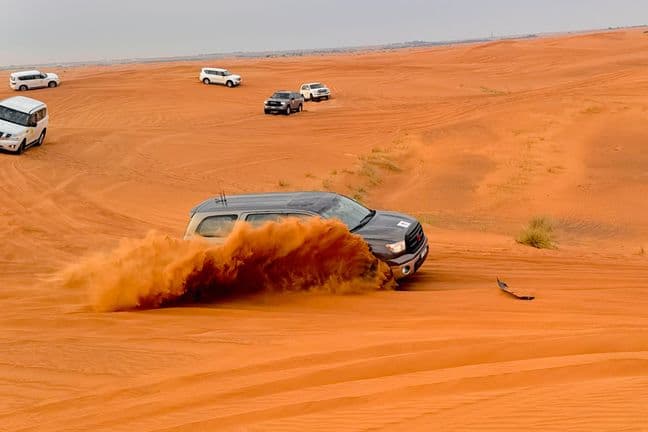
Yes, morning safaris still include dune bashing -- it's not just a cultural museum. But here's what makes it better in the morning:
- Cooler sand: The dunes haven't been baking all day, so the 4x4 handles better
- Clearer visibility: No dust haze from dozens of vehicles ahead of you
- Better photos: The low morning sun creates dramatic shadows on the dunes
- Less motion sickness: Cooler temperatures help if you're sensitive to the ride
The drive lasts about 30-40 minutes through the Lahbab red dunes. Our drivers have years of experience -- they'll check if you want a "thrilling" or "gentle" ride before starting. Want to know more about what dune bashing actually feels like? Read our red sand dune bashing guide.
Sandboarding: Try It in the Morning
Sandboarding works better in the morning for one simple reason: cooler sand has better friction. In the afternoon heat (45°C+), the sand becomes slippery and harder to control. Morning sessions let you practice longer without overheating. If you're after more adventure, check out the dune buggy options in Dubai -- you can pair a morning cultural safari with an afternoon buggy ride.
What's Included in a Typical Morning Safari
Here's what to expect from most morning desert safari packages:
- Hotel pickup and drop-off (7:30-8:00 AM, return by 12:30 PM)
- 30-40 minute dune bashing in Land Cruiser
- Sandboarding (boards provided)
- Camel ride (15-20 minutes)
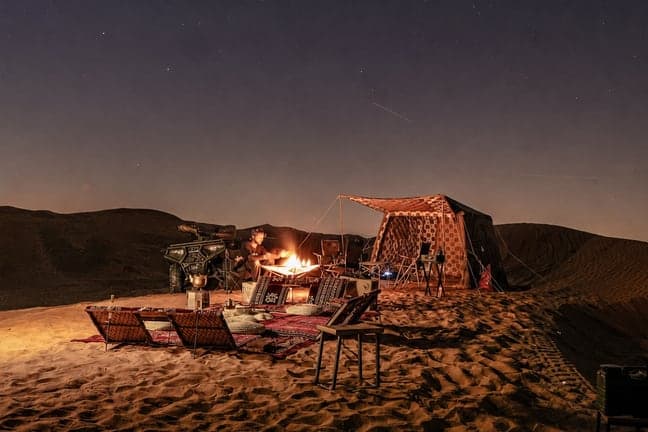
- Bedouin camp visit with Arabic coffee, dates, and light breakfast
- Falconry demonstration (holding a falcon for photos is a paid extra)
- Henna painting (on request)
- Photo opportunities in traditional dress
Want more activities? Our Premium Desert Safari includes additional time at the camp and a fuller breakfast spread. Our standard Desert Safari package is a solid option if you're looking for the core experience with dune bashing, camel rides, and camp activities included.
Who Should Choose Morning Over Evening?
Based on my experience, morning safaris work best for:
- Families with young children: Back at the hotel by 1 PM, kids can nap, and you still have the afternoon free. We've written a full family desert safari guide if you're traveling with kids.
- Photographers: Morning light is superior for desert photography
- People who dislike heat: November-March mornings are genuinely pleasant (22-28°C). Our heat management guide covers what to expect in each season.
- Culture-focused travelers: More time for interactive cultural experiences
- Tight schedules: Afternoon free for city activities -- combine with our Old and Modern Dubai city tour
When to Choose Evening Instead
Be honest with yourself -- evening safaris are better if you want:
- Full entertainment (Tanoura dance, belly dance, fire show)
- BBQ dinner and unlimited drinks -- we've got a full breakdown of what's on the dinner menu
- Sunset photography over the dunes
- A more social, party-like atmosphere
For evening options, see our guide to desert safari entertainment.

Practical Tips for Morning Safaris
- Eat a light breakfast: Camp provides snacks, but dune bashing on a full stomach isn't comfortable
- Bring sunglasses and sunscreen: Morning sun is gentler but still bright
- Wear closed-toe shoes: Sand is cooler in the morning but still gets into sandals. Our what to wear guide has a full packing list.
- Charge your camera: The morning light is too good to miss
- Book for Sunday-Thursday: Weekends are busier, even for morning tours
Combine Your Morning Safari with Other Activities
Since you're done by lunchtime, a morning cultural safari pairs well with afternoon adventures. Some popular combos:
- Morning safari + afternoon dune buggy: Try the 2-seater dune buggy for couples or the 4-seater family buggy if you're traveling with kids
- Morning safari + evening city tour: Our private Dubai city tour covers Burj Khalifa, the souks, and Dubai Marina
- Morning safari + quad biking: The quad bike experience runs morning and afternoon sessions in the same Lahbab dunes
For the full Dubai experience, you could also add an Abu Dhabi city tour on a separate day -- Sheikh Zayed Mosque alone makes it worth the drive.